Turning FND/PNES Into A Life Changing Experience. In a Good Way. (Pt.8)
Part eight.
The Survival Mode Detox
When survival mode is the only language you’ve ever spoken, you don’t realize you’re screaming. You don’t see the jagged edges of your own reactions or the heavy armor you wear just to walk through a grocery store. You think everyone lives this way.
A few months before the seizures began, I discovered I was a Highly Sensitive Person (HSP) during a therapy session. I learned about the intense emotional processing and the sensory overload that comes with it. Then, we dug into attachment styles.
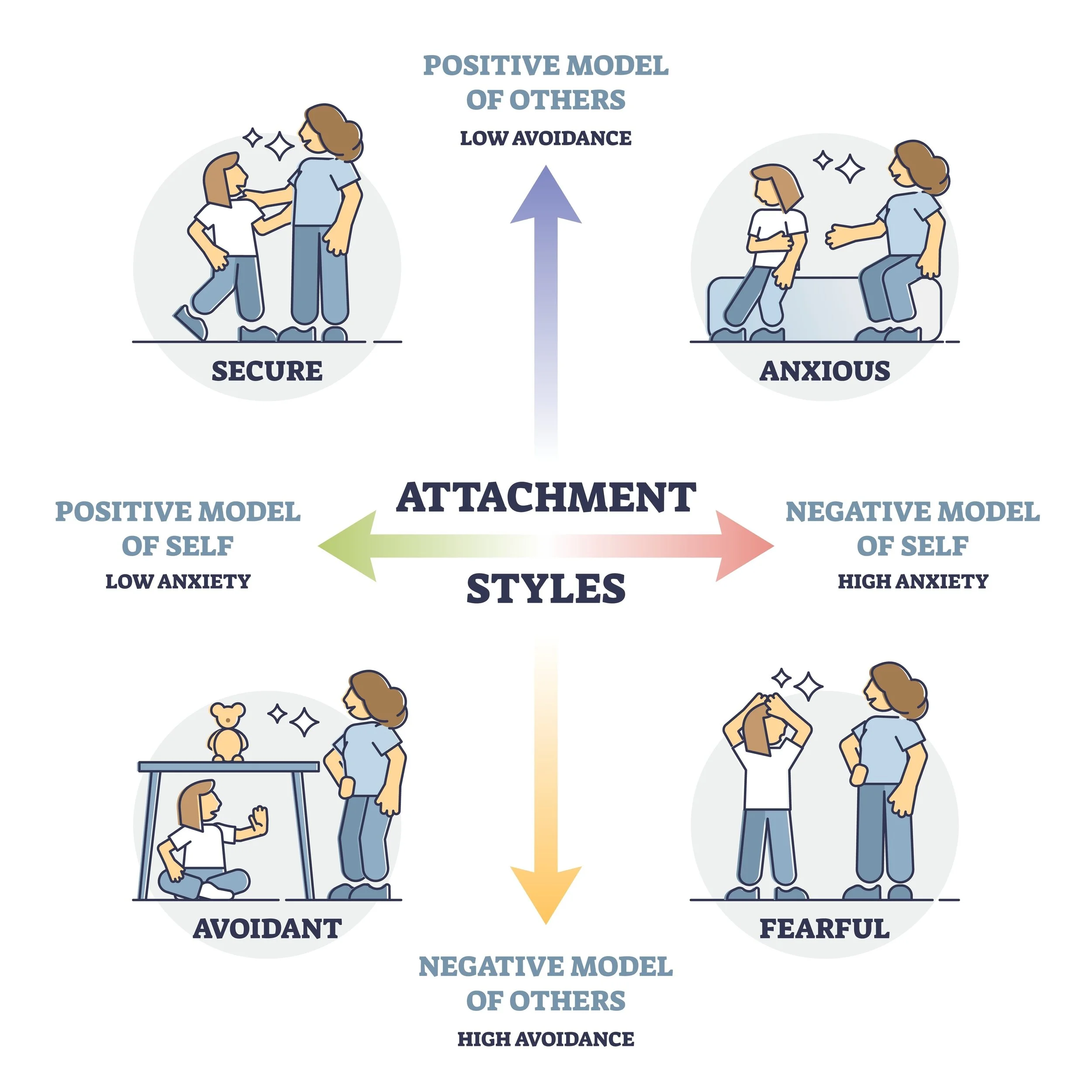
(The longer you look at this, the more it makes sense)
I was horrified. I saw myself staring back from the description of "Fearful-Avoidant" (or Disorganized) attachment—a chaotic cocktail of wanting to be close but being terrified of getting hurt. In that era, my internal narrative was brutal: I am a messed-up, horrible person. Was that rational? No. But these traits are the definition of irrational. And looking back, could this lifetime of internal friction have led to my seizures and FND? Absolutely.
The "Inappropriate" Filter
To understand how far I’ve come, you have to see who I was before the "glitch." I had a heart for helping, but I’d also picked up a toxic habit: I enjoyed helping when it served a purpose. I lived in a world where everyone was against me until proven otherwise. I didn't just dislike you; I resented you for not proving your loyalty fast enough.
Jealousy was the fuel to the flame in my marriage. I had these embedded, rigid beliefs about what was "appropriate." My husband grew to hate that word.
"It’s inappropriate how nice you are to them. They’re going to get the wrong idea"
"It’s inappropriate to spend time with friends instead of family."
"How inappropriate of her to show that much skin!" (Usually said out of a deep, fearful projection of my own insecurities which again, I didn’t know I had.)
The slightest shift in plans triggered a full-blown meltdown. If guests were coming over and I hadn't repainted a chip behind the bathroom door, I was headed for a panic attack (true story). My kids being kids—getting muddy or making a mess—wasn't a joy; it was an annoyance.
I’m not sharing this to paint myself as a villain. These are incredibly common traits for women and mothers who have lived under consistent, high-level pressure for a very long time. It’s what happens when your nervous system is fried.
The Space to See
When I say Brainspotting "made space," I mean it literally gave me new glasses. I became capable of seeing the world through a different lens.
The space allowed curiosity to replace judgment. It allowed empowerment to replace fear-based jealousy. I started experimenting with boundaries. I dared to change my appearance—to look however I wanted and wear what felt good—without vibrating in fear of what "they" would say. My reactions became smaller. Logical. Predictable.
The Great Paradox
At the start of this series, I told you my marriage was over. I was done. But this unfortunate experience of FND and the seizures saved my marriage.
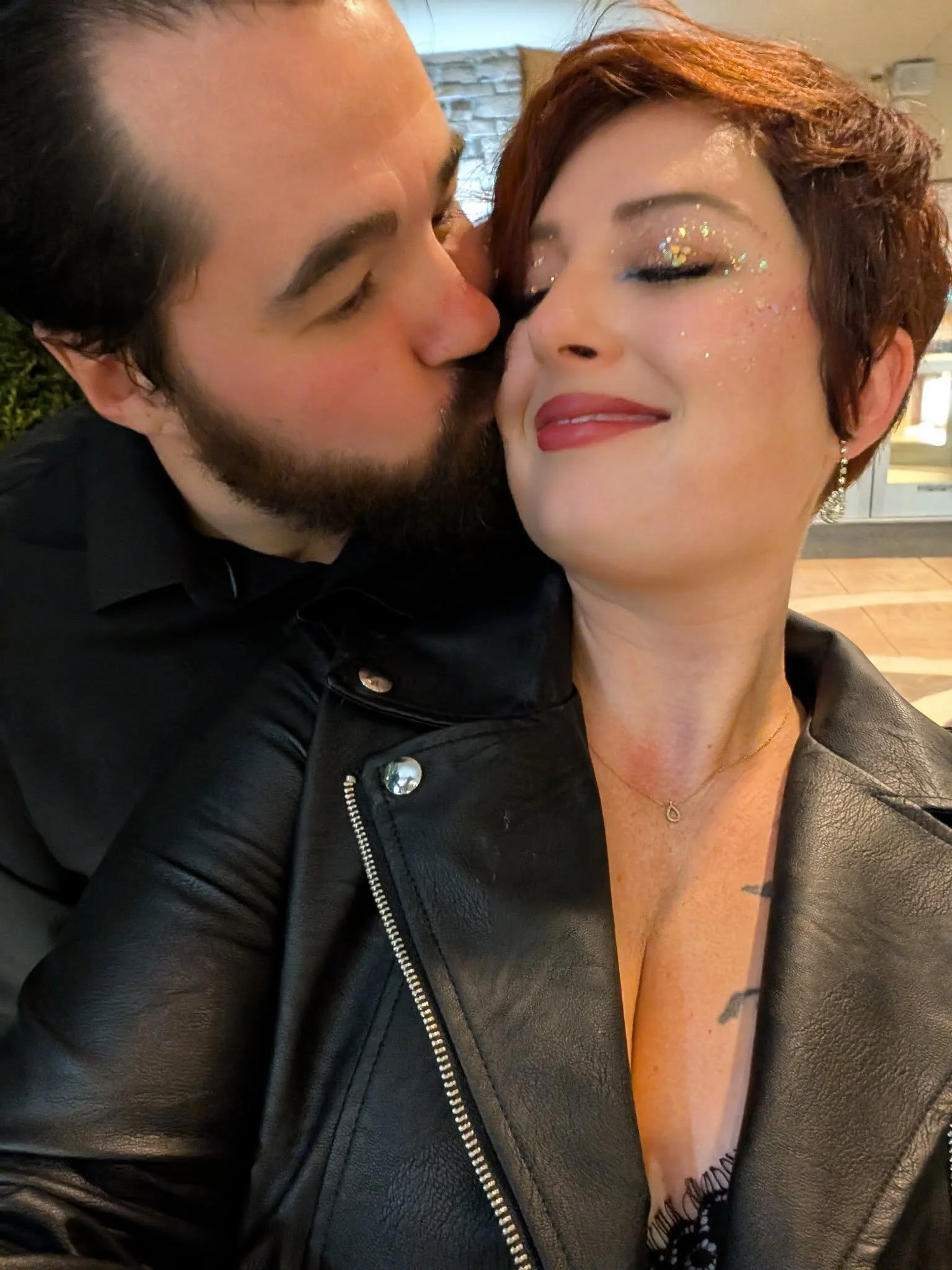
Without them, I never would have found Brainspotting. I never would have cleared the debris in my mind to see that divorce wasn't the answer—the patterns were the problem. Today, Simon and I have a bond that is strong and unshakable, a version of us that simply couldn't exist without the breakdown.
I wouldn't have the courage to be "perfectly imperfect." I wouldn't have my podcast, Skirts Up, or the incredible tribe of people it brought into my life. I wouldn't be writing this blog for my own wellness practice, Sweet Soul Wellness. I wouldn't have dared to dream that I could actually impact the world.
I’m not sure how many more posts are left in this series, but I know this: the knowledge I’ve gained is worth the struggle. My story isn't just about a medical diagnosis; it's about the moment I stopped surviving and started actually living.
A Final Note: To the Woman Still in the Storm
If you are reading this and you see yourself in the "inappropriate" filters, the snap judgments, or the bone-deep exhaustion—I see you.
For a long time, I thought those traits were just who I was. I thought I was a "messed-up" person, a "bad" mom, or a "difficult" wife. But the truth is much kinder: You cannot judge the flower for wilting when the soil is toxic and the sun is blocked. When you have been under intense pressure for a long period of time, your brain does whatever it has to do to survive. Sometimes that looks like anger. Sometimes it looks like control. Sometimes it looks like a seizure.
If there is one thing I want you to take away from my story, it is this:
It is okay to outgrow your old values. The things you valued when you were just trying to survive (like perfectionism or hyper-vigilance) are no longer required for your thriving. They were valid then; they are replaceable now.
You don’t have to be proud of who you once were to be proud of who you are now. You can look back at that "survival version" of yourself with grace instead of shame. She did the best she could with the tools she had.
Healing isn't about "fixing" a broken version of yourself; it’s about clearing the debris so the real you can finally breathe.
Explained by Neurologist, Dr. Carolyn Taylor
Author - Samantha Mandell, RTT Practitioner